Introduction
Education in India continues to evolve as schools, colleges, and universities adapt to changing industry requirements and technology. Students today need more than just academic knowledge—they also need practical skills, digital literacy, and career readiness. Because of this, discussions around the new education policy 2026 have attracted significant attention among students, parents, and educators.
I’ve noticed that many students only hear about education policies through social media, where information is often incomplete or misleading. It’s always better to understand the purpose behind these reforms rather than relying on rumors. While policy implementation may vary across institutions, the overall direction is focused on making education more flexible, skill-oriented, and student-friendly.
What Is the New Education Policy 2026?
Quick Answer: The new education policy 2026 focuses on improving learning quality, promoting skill-based education, encouraging digital learning, and preparing students for future careers.
The main objective is to modernize education.
Some important focus areas include:
- Practical learning
- Digital education
- Multidisciplinary studies
- Skill development
- Research and innovation
These initiatives aim to make education more relevant to today’s job market.
Greater Focus on Skill Development
Traditional education often emphasized theoretical knowledge.
Today, employers expect graduates to have practical skills as well.
Educational institutions are increasingly encouraging:
- Coding
- Artificial Intelligence
- Financial literacy
- Entrepreneurship
- Communication skills
Students who combine academic knowledge with practical experience are likely to have stronger career prospects.
Digital Learning Continues to Expand
Technology is changing classrooms across India.
Many institutions now use:
- Smart classrooms
- Online assessments
- Digital study materials
- Virtual laboratories
- Learning management systems
This allows students to access learning resources beyond textbooks and traditional classroom lectures.
Flexible Learning Pathways
Quick Answer: One of the goals of the new education policy 2026 is to provide students with greater flexibility in choosing subjects and career paths.
Students increasingly have opportunities to explore multiple disciplines instead of remaining limited to a single academic stream.
This flexibility encourages:
- Creative thinking
- Interdisciplinary learning
- Better career planning
- Personalized education
Personally, I think this approach benefits students because career interests often change as they gain more exposure.
Opportunities and Challenges
Every education reform brings both benefits and challenges.
Potential advantages include:
- Improved employability
- Better digital skills
- Increased research opportunities
- Modern teaching methods
Challenges may include:
- Infrastructure development
- Teacher training
- Technology accessibility
- Consistent implementation
Successful reforms depend on cooperation between institutions, teachers, students, and policymakers.
How Students Can Prepare
Instead of waiting for changes, students should focus on developing future-ready skills.
Useful areas include:
- Communication
- Problem-solving
- Digital literacy
- Critical thinking
- Continuous learning
Staying updated with official announcements also helps students make informed academic decisions.
Internal Link Suggestions
- [Link to Higher Education Benefits]
- [Link to Best Online Courses]
- [Link to Scholarships for Indian Students]
Suggested Image Alt Text
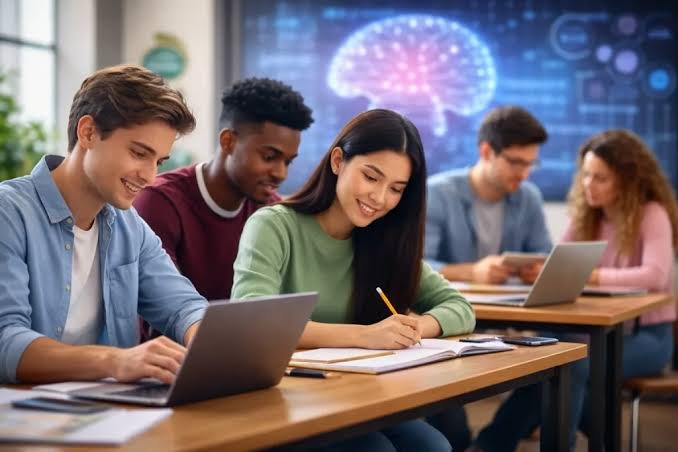
- Students learning in a modern digital classroom
- Teacher explaining new education reforms to students
- Indian students using technology for education
Frequently Asked Questions
What is the new education policy 2026?
It refers to ongoing education reforms aimed at improving learning quality, digital education, skill development, and career readiness.
Will students have more subject choices?
Many educational reforms encourage greater flexibility, allowing students to explore multidisciplinary learning opportunities.
Does the policy promote digital learning?
Yes. Technology integration, online learning resources, and digital classrooms continue to play an important role.
Why is skill development receiving more attention?
Employers increasingly seek candidates with practical skills alongside academic qualifications, making skill-based education more valuable.
How can students benefit from these changes?
By staying informed, learning digital skills, participating in practical projects, and adapting to modern learning methods.
Conclusion
The new education policy 2026 reflects the growing need for an education system that prepares students for a rapidly changing world. Greater emphasis on skills, technology, flexibility, and practical learning can create better opportunities for future careers. While implementation may continue evolving, students who remain adaptable and committed to continuous learning will be better positioned for success in the years ahead.