Introduction
Every exam season feels the same for many students. Books pile up, revision is left until the last minute, and stress starts taking over. Sound familiar? The good news is that getting better results doesn’t always mean studying for 12 hours a day. The right exam preparation tips can help you learn more efficiently and stay confident on exam day.
I’ve noticed that students who plan their studies usually perform better than those who simply study longer. A well-organized strategy saves time, reduces pressure, and helps you remember information for much longer. Whether you’re preparing for board exams, college tests, or competitive exams in 2026, these practical tips can make a real difference.
Create a Study Plan Before You Open Your Books
Quick Answer: The best exam preparation tips always start with a realistic study plan. A clear timetable helps you cover the syllabus without feeling overwhelmed.
Many students begin studying without knowing what they actually need to finish. That often leads to wasted hours.
Instead, divide your syllabus into smaller sections and assign specific topics to each day.
For example:
- Monday – Mathematics (Algebra)
- Tuesday – Science (Physics)
- Wednesday – English Grammar
- Thursday – Revision
This approach keeps your progress organized and prevents last-minute panic.
Focus on Understanding, Not Memorizing
Reading the same chapter repeatedly isn’t always effective.
Instead, ask yourself questions after finishing each topic.
Try explaining the concept in your own words. If you can’t explain it simply, you probably need another revision.
One student preparing for the SSC exam started teaching difficult topics to his younger brother every evening. Within a month, his confidence improved because explaining concepts forced him to understand them properly rather than just memorize facts.
Practice Previous Year Question Papers
One of the most overlooked exam preparation tips is solving previous years’ papers.
These papers help you:
- Understand the exam pattern
- Improve speed
- Identify frequently asked topics
- Build confidence
Set a timer while solving papers to simulate the real exam environment.
You’ll quickly discover which sections require more practice.
Avoid Common Study Mistakes
Quick Answer: Many students lose marks not because they lack knowledge but because they follow poor study habits and inconsistent revision schedules.
Here are a few mistakes to avoid:
- Studying without breaks
- Ignoring weak subjects
- Depending only on notes
- Using the phone every few minutes
- Skipping revision
Even small distractions can reduce concentration more than most students realize.
Smart Revision Techniques
Revision is where real learning happens.
Instead of reading everything again, use smarter methods like:
- Flashcards
- Mind maps
- Practice quizzes
- Active recall
- Spaced repetition
Personally, I’ve found that writing short summaries after each chapter makes revision much faster before exams.
The goal isn’t to study more—it’s to remember more.
Take Care of Your Health
Many students sacrifice sleep during exam season.
Unfortunately, staying awake all night usually reduces focus and memory.
A better routine includes:
- 7–8 hours of sleep
- Drinking enough water
- Eating balanced meals
- Taking short study breaks
- Doing light exercise or stretching
A healthy mind works much better than an exhausted one.
Stay Positive on Exam Day
Feeling nervous is completely normal.
Instead of thinking about difficult questions, focus on what you already know.
Arrive at the exam center early, carry all necessary documents, and avoid comparing your preparation with others at the last moment.
Confidence comes from preparation—not luck.
Internal Link Suggestions
- [Link to Learning Techniques Backed by Science]
- [Link to Study Routine for Students]
- [Link to Best Online Learning Platforms]
Suggested Image Alt Text
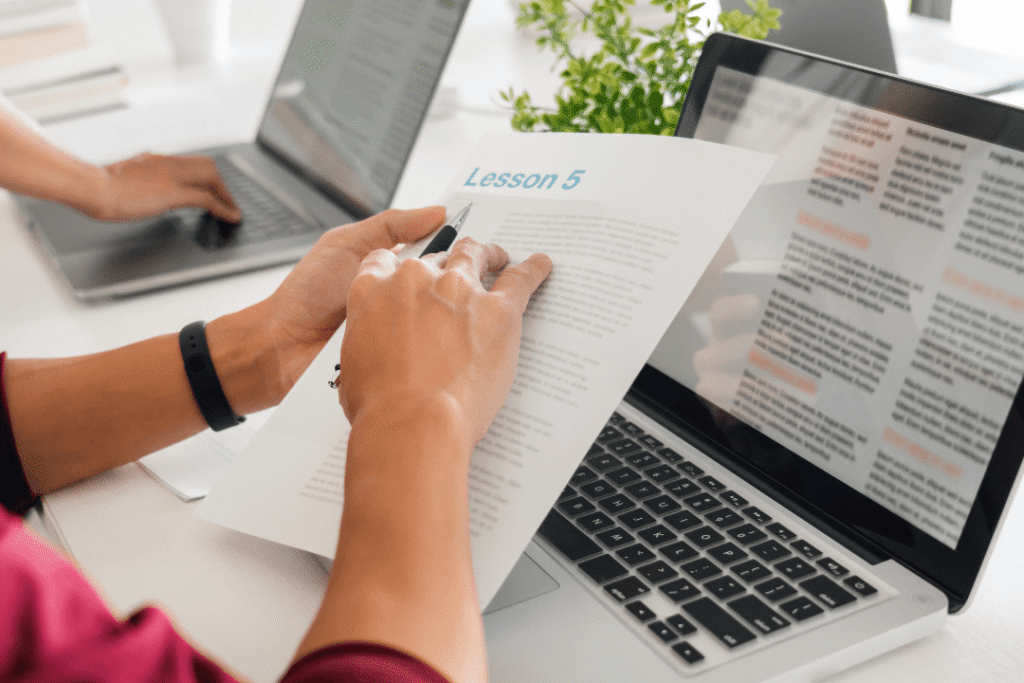
- Student following exam preparation tips with a study planner
- Organized study desk before examination
- Student solving previous year exam question papers
Frequently Asked Questions
Which exam preparation tips are most effective?
Creating a study timetable, solving previous year papers, revising regularly, and using active recall are among the most effective strategies.
How many hours should I study before exams?
Quality matters more than quantity. Four to six focused hours are often better than studying all day without concentration.
Should I study every subject daily?
Not necessarily. Follow a balanced timetable that gives extra attention to weaker subjects.
Is solving mock tests helpful?
Yes. Mock tests improve time management, confidence, and familiarity with the exam pattern.
How can I reduce exam stress?
Prepare consistently, sleep well, take regular breaks, and avoid last-minute cramming before the exam.
Conclusion
Success in exams isn’t about studying the longest—it’s about studying the smartest. These exam preparation tips can help you stay organized, improve memory, and approach your exams with greater confidence. Build a realistic study plan, revise consistently, and practice under exam-like conditions. Small daily improvements often lead to excellent results. Stay disciplined, believe in your preparation, and you’ll be in a much stronger position to perform well throughout 2026.